 Image 1 of 1
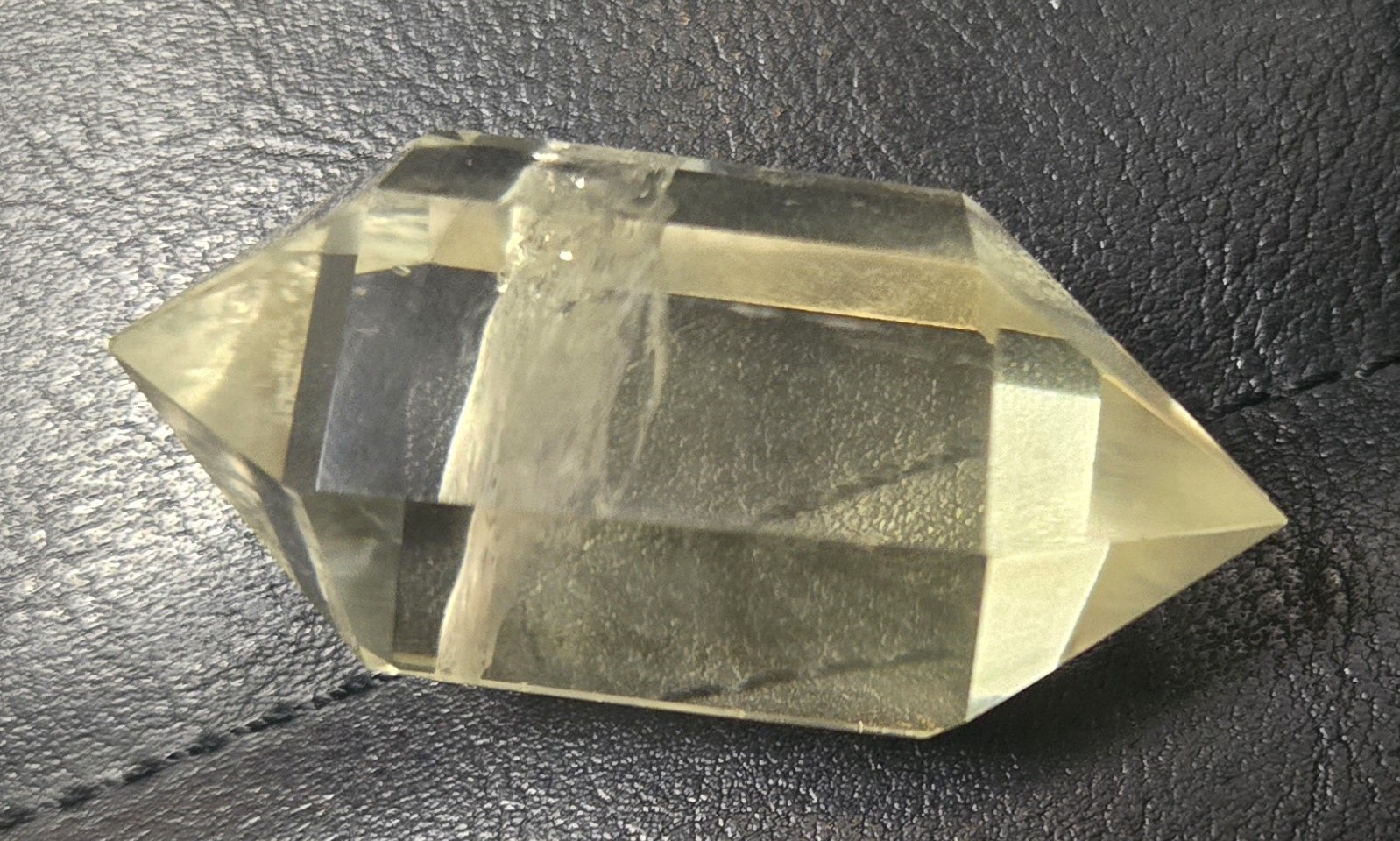
Citrine has been valued for its beauty and energy for centuries. Its name comes from an old French word meaning "lemon," which reflects its bright, yellow color.
Throughout history, Citrine has been associated with abundance, prosperity, and positivity.
In ancient cultures, Citrine was believed to have powerful healing properties. The stone was often used in crystal healing practices to promote emotional balance, stimulate digestion, and boost circulation. It was also believed to ward off negative energies and promote a sense of wellbeing.
In the Middle Ages, Citrine was thought to have the power to ward off evil thoughts and promote mental clarity. It was often worn as a talisman to protect and attract abundance and good fortune.
Citrine has been valued for its beauty and energy for centuries. Its name comes from an old French word meaning "lemon," which reflects its bright, yellow color.
Throughout history, Citrine has been associated with abundance, prosperity, and positivity.
In ancient cultures, Citrine was believed to have powerful healing properties. The stone was often used in crystal healing practices to promote emotional balance, stimulate digestion, and boost circulation. It was also believed to ward off negative energies and promote a sense of wellbeing.
In the Middle Ages, Citrine was thought to have the power to ward off evil thoughts and promote mental clarity. It was often worn as a talisman to protect and attract abundance and good fortune.